
Real-world testing of Hydron's GTM theses, in four months
List of open questions
Hydron is an AI coding assistant for embedded systems. It reads datasheets, register maps and reference manuals, and writes low-level firmware for the hardware.
H2LooP came to us with a question: does this product stick with the people it was built for? They had theses about who would adopt it, what would make them adopt it, and which use cases would get them there. What they didn't have was proof, and they had four months and a fixed budget to get it.
That constraint was useful in forcing the design of every campaign outcome to be a clear yes or a no objectively, fast.
Turned theses into experiments, then shipped them
We took H2LooP's hypotheses and broke them into experiments that could each return a clear yes or no. Different audience segments, different channels, different reasons to try the product. Each one went to market small, fast, and with clear success benchmarks.
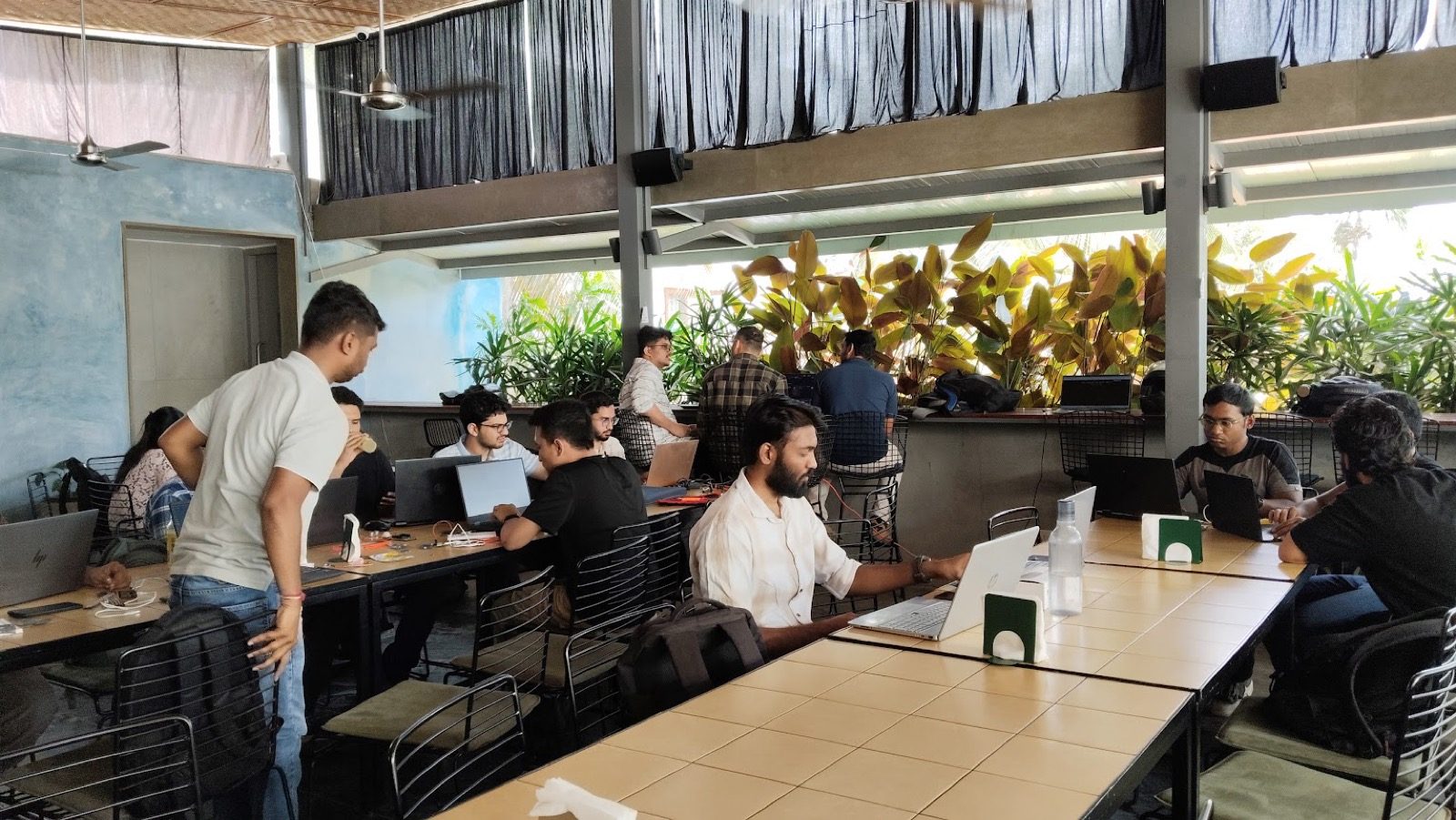
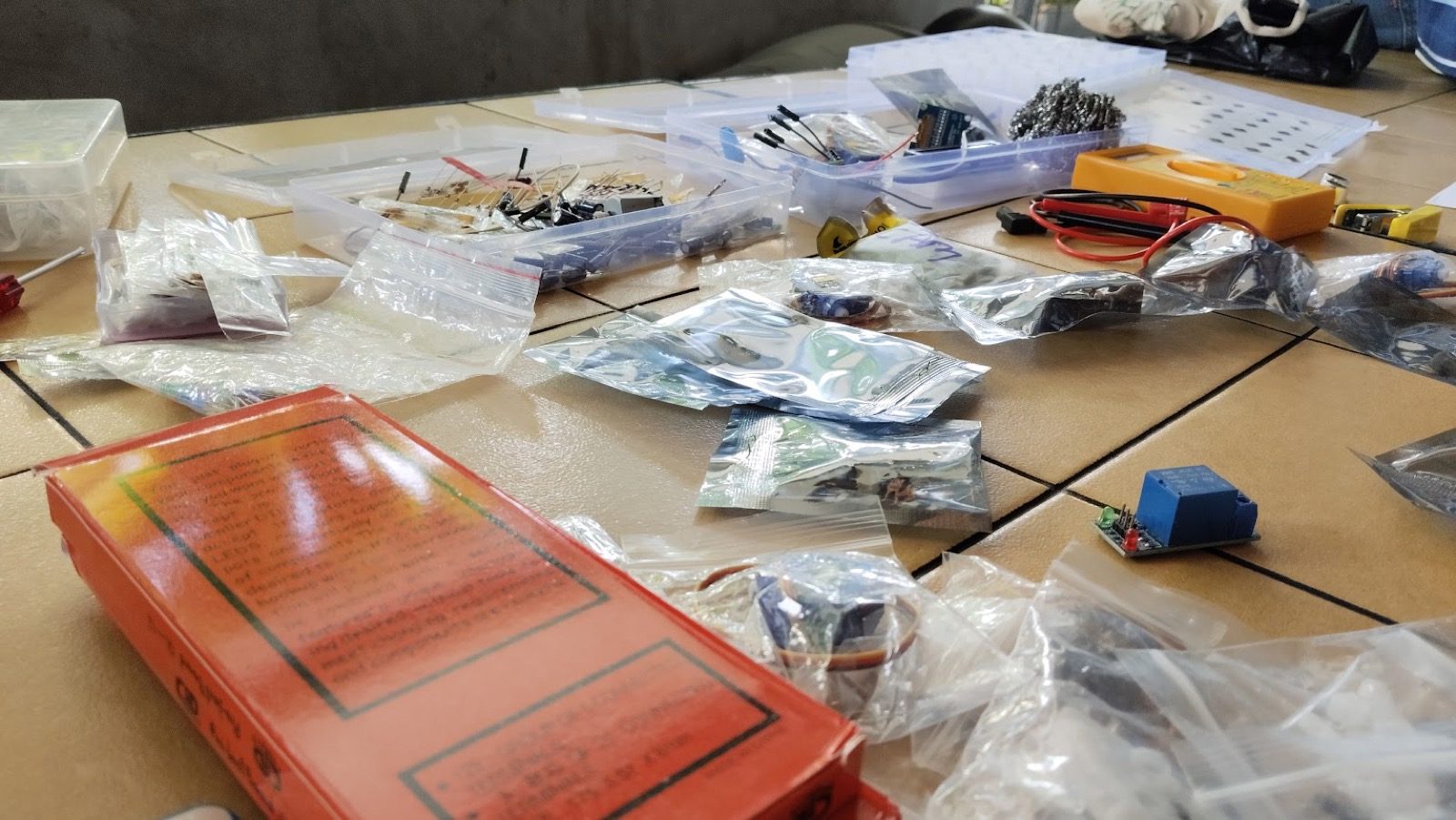
Some were paid. A PG-rent campaign offering to cover a month's rent for engineers who built something with Hydron. Performance ads across segments. Some were organic: a reel series, a founder voice on LinkedIn, direct outreach to engineers we knew personally. Some were digital: a panel discussion for CoreElec, our hardware community in India, sponsored by Hydron. Then Coding and Kombucha, a five-hour hardware jam where engineers used Hydron in a room with the team that built it, was a physical event.
We ran them in parallel and let the market decide.
Results either way
The paid experiments did what paid experiments do. They bought reach, and a share of the people who arrived didn't go much further than arriving. Useful to know early: for this audience, an incentive gets attention but doesn't reliably get a first real use, and widening the net wasn't going to change that.
The in-person experiments behaved differently. The CoreElec panel pulled a few hundred registrations and a strong live turnout, with the Q&A running well past its slot. Coding and Kombucha was smaller by design and denser by result — engineers who showed up, built things, stayed late, and talked to the founding team while using the product. It produced enterprise leads and hours of unfiltered feedback.
Direct outreach, running alongside everything else, kept the Hydron team in meetings at no media cost.
By the end of four months H2LooP had what they came for: a clear read on which channels to stop funding, which audience actually converts, and what it takes to get an engineer to open the product for the first time.
Knowing what doesn't work is worth paying for
Embedded engineers don't take a tool's word for anything; they have to see it work themselves. We didn't know that at the start. We found out by running the alternatives and watching them not work, which is faster and more cost-effective than arguing about it.
Not sure what's working yet?
We turn marketing theses into experiments that return answers inside a quarter, not a year.